
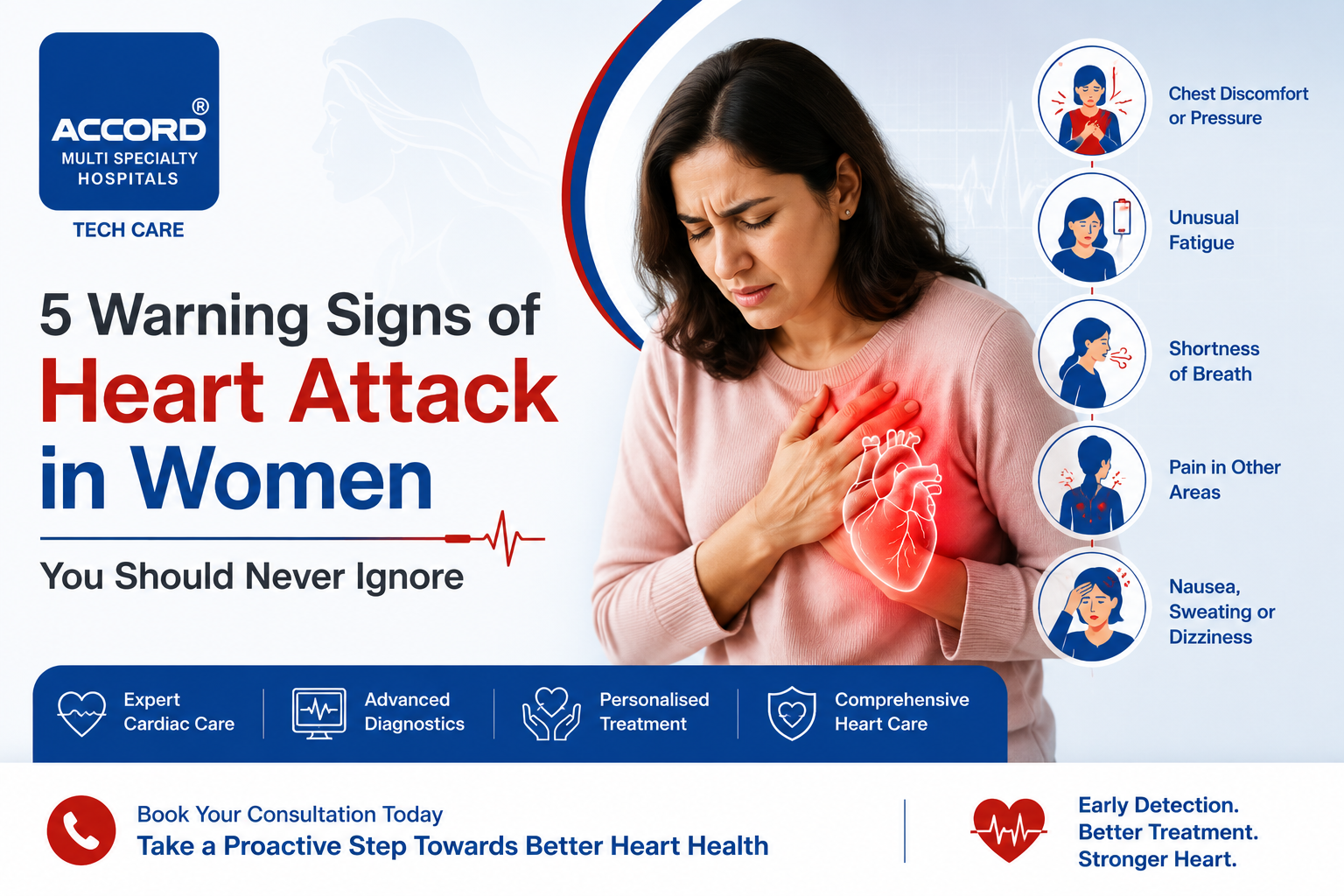
Heart disease is one of the leading health concerns among women, yet its symptoms are often overlooked or mistaken for less serious conditions. Unlike men, women may experience subtle or unusual symptoms before a heart attack, making early recognition extremely important.
Understanding the warning signs of heart attack in women can help ensure timely medical attention and improve survival outcomes.
Why Heart Attack Symptoms in Women Can Be Different
Many people associate heart attacks with sudden chest pain. However, women often experience symptoms that are less obvious.
Hormonal changes, smaller blood vessels, and differences in heart disease patterns can influence how symptoms appear in women.
As a result, warning signs may develop gradually and can sometimes be mistaken for stress, acidity, fatigue, or muscle pain.
1. Chest Discomfort or Pressure
Although chest pain remains a common symptom, women may describe it differently.
Instead of severe crushing pain, many women experience:
- Tightness or pressure in the chest
- Burning sensation
- Mild squeezing discomfort
- Pain that comes and goes
Any unexplained chest discomfort should be evaluated promptly.
2. Unusual Fatigue
Extreme tiredness without a clear reason can be one of the earliest cardiovascular issue symptoms in women.
This fatigue may:
- Persist for days or weeks
- Occur even after adequate rest
- Make routine activities difficult
3. Shortness of Breath
Difficulty breathing during routine activities or while resting may indicate reduced heart function.
Women experiencing symptoms of heart blockage in females may notice:
- Breathlessness while walking
- Difficulty climbing stairs
- Feeling unable to take deep breaths
Shortness of breath should not be dismissed, especially when combined with fatigue or chest discomfort.
4. Pain in Other Areas of the Body
Heart attack pain in women may spread beyond the chest.
Pain may occur in:
- Jaw
- Neck
- Back
- Shoulders
- Arms
Some women may experience upper back discomfort before a heart attack.
5. Nausea, Sweating, or Dizziness
Women are more likely than men to experience symptoms such as:
- Sudden nausea
- Cold sweats
- Light headedness
- Dizziness
These symptoms may occur with or without chest pain.
Symptoms of Heart Blockage in Females
Heart blockage develops when blood flow to the heart becomes restricted due to plaque build up in the arteries.
Common symptoms include:
- Chest heaviness
- Fatigue during physical activity
- Breathlessness
- Irregular heartbeat
- Swelling in the legs in advanced cases
Early diagnosis can help prevent major cardiac events.
Risk Factors for Heart Disease in Women
Several factors increase the risk of heart disease among women:
- High blood pressure
- Diabetes
- Smoking
- Obesity
- High cholesterol
- Stress and anxiety
- Sedentary lifestyle
- Family history of heart disease
When Should You Seek Immediate Medical Care
Seek emergency medical attention if symptoms include:
- Sudden chest pressure
- Severe breathlessness
- Fainting
- Persistent pain spreading to the arm or jaw
- Sudden sweating with dizziness
Delaying treatment during a heart attack can increase the risk of severe complications.
How Heart Disease Is Diagnosed
Doctors may recommend:
- ECG
- Echocardiogram
- Blood tests
- Stress tests
- Coronary angiography
These tests help identify blockages and assess heart function accurately.
Preventing Heart Disease in Women
Simple lifestyle measures can significantly reduce the risk of heart disease and improve long term cardiovascular health. Small but consistent changes in daily habits can make a meaningful difference over time.
Maintain a Healthy Diet
Reduce processed foods and increase the intake of fruits, vegetables, whole grains, and lean proteins. Limiting excess salt, sugar, and unhealthy fats can help control blood pressure, cholesterol levels, and overall heart health.
Stay Physically Active
Regular exercise supports healthy blood circulation, strengthens the heart, and helps maintain a healthy weight. Activities such as walking, cycling, yoga, or light aerobic exercise for at least 30 minutes most days of the week can be beneficial.
Control Medical Conditions
Conditions such as diabetes, high blood pressure, and high cholesterol significantly increase the risk of heart disease if left unmanaged. Regular monitoring, prescribed medications, and lifestyle modifications are essential for maintaining cardiovascular health.
Avoid Smoking
Smoking damages blood vessels, reduces oxygen supply, and increases the risk of heart attacks and blockages. Quitting smoking and avoiding second hand smoke can greatly improve heart and lung function over time.
Schedule Regular Check Ups
Routine health screenings help detect early warning signs before serious complications develop. Regular consultations with a healthcare provider can support timely diagnosis, preventive care, and better management of heart related risks.
Do Not Ignore Subtle Heart Symptoms
Heart disease symptoms in women are often silent or unusual, which is why awareness is critical. Recognising the warning signs of heart attack in women can help ensure timely diagnosis and treatment.
At Accord Hospitals, our cardiac specialists provide comprehensive heart care focused on early detection, advanced diagnostics, and personalised treatment. From preventive screening to emergency cardiac management, we are committed to helping women protect their heart health at every stage of life.
Book your consultation today and take a proactive step towards better heart health and long term wellness.
FAQs
1. Are heart attack symptoms different in women?
Yes, women often experience more subtle symptoms such as fatigue, nausea, and breathlessness.
2. What are common symptoms of heart blockage in females?
Chest discomfort, shortness of breath, fatigue, and irregular heartbeat are common symptoms.
3. Can women have a heart attack without chest pain?
Yes, some women experience symptoms like jaw pain, dizziness, or nausea without severe chest pain.
4. What increases heart disease risk in women?
Diabetes, high blood pressure, obesity, smoking, and menopause can increase risk.
5. When should I consult a cardiologist?
Persistent chest discomfort, fatigue, or breathing difficulty should be evaluated promptly.