
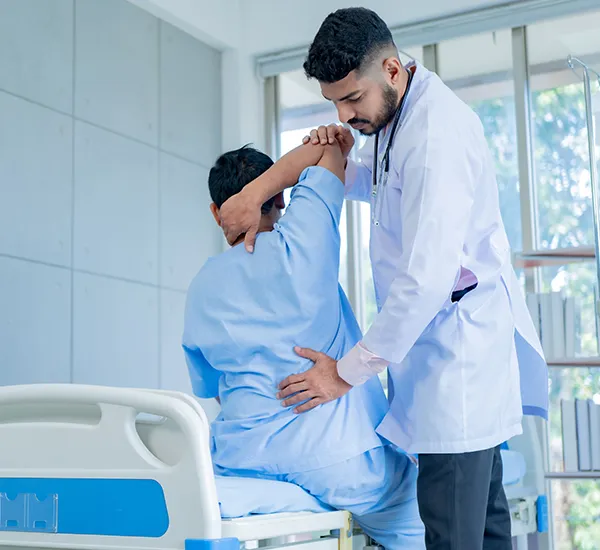
Helping Patients Regain Movement and Strength
The Physiotherapy Department at Accord Hospital focuses on helping individuals recover physical function after injury, surgery, or illness. Through targeted rehabilitation techniques, our physiotherapists help patients reduce pain, restore mobility, and rebuild strength so they can return to normal daily activities with greater confidence.
Movement problems can arise from a wide range of conditions, including injuries, chronic joint disorders, neurological diseases, and post-surgical recovery. Physiotherapy plays a key role in improving flexibility, strengthening muscles, and correcting movement patterns that may cause discomfort or limited mobility.
Our physiotherapists work closely with orthopaedic specialists, neurologists, and other medical professionals to design personalised therapy plans suited to each patient’s needs and recovery goals.
Accord Hospital provides physiotherapy and rehabilitation services for patients from Moshi, Pimpri Chinchwad, Pune, and surrounding areas of Maharashtra.
Conditions That Benefit from Physiotherapy
Physiotherapy can help individuals recover from many musculoskeletal and neurological conditions that affect movement and physical function.
Common conditions managed through physiotherapy include:
- Back and neck pain
- Joint stiffness and limited mobility
- Sports-related injuries
- Muscle strains and ligament injuries
- Arthritis and joint inflammation
- Frozen shoulder
- Sciatica and nerve pain
- Postural problems caused by prolonged sitting or work habits
- Recovery after orthopaedic surgery
- Balance or coordination problems
- Age-related mobility difficulties
Each patient undergoes a clinical assessment so that therapy can be tailored to the exact cause of the problem.
Physiotherapy Treatments and Rehabilitation Services
The physiotherapy team at Accord Hospital provides a variety of therapies designed to improve physical function and support recovery.
Musculoskeletal Therapy
Musculoskeletal physiotherapy addresses conditions affecting muscles, joints, ligaments, and bones. It is commonly recommended for back pain, joint injuries, sports injuries, and movement limitations.
Treatment approaches may include:
- Manual therapy techniques
- Therapeutic exercise programmes
- Joint mobilisation and stretching
- Muscle strengthening routines
- Posture correction
These therapies help improve movement and reduce strain on the body.
Post-Surgical Rehabilitation Programmes
Many patients require physiotherapy after surgical procedures to regain strength and mobility. Structured rehabilitation helps the body recover safely while restoring normal movement patterns.
Physiotherapy after surgery may help patients:
- Improve joint flexibility
- Rebuild muscle strength
- Restore balance and coordination
- Return gradually to normal activities
Therapy programmes are carefully adjusted according to the stage of recovery.
Neurological Rehabilitation
Neurological physiotherapy helps patients whose movement has been affected by conditions involving the brain, nerves, or spinal cord.
This type of therapy supports recovery by improving:
- Muscle control
- Balance and stability
- Walking ability
- Coordination
Patients recovering from stroke or nerve injuries may benefit significantly from targeted neurological rehabilitation.
Sports Injury Recovery and Prevention
Athletes and physically active individuals often experience injuries that require rehabilitation to restore performance.
Sports physiotherapy focuses on:
- Rehabilitation of muscle and ligament injuries
- Strength and conditioning exercises
- Flexibility training
- Injury prevention strategies
These programmes help patients safely return to sports and physical activity.
Physical Therapy for Pain Relief
Persistent pain caused by muscle tension, joint inflammation, or nerve compression can affect daily life. Physiotherapy provides non-surgical methods to reduce pain and restore movement.
Pain management strategies may include:
- Targeted therapeutic exercises
- Manual therapy
- Movement correction techniques
- Stretching programmes
These approaches help relieve discomfort while improving overall function.
Posture and Movement Correction
Modern lifestyles often involve long hours of sitting or repetitive movements that can lead to musculoskeletal problems. Physiotherapists help patients improve posture and body mechanics to prevent ongoing strain.
Patients receive guidance on:
- Correct posture during work and daily activities
- Ergonomic adjustments for workspaces
- Exercises that support spinal health
- Techniques that reduce stress on joints and muscles
Mobility Support for Older Adults
Reduced strength and balance are common with ageing and may increase the risk of falls. Physiotherapy programmes can help older adults maintain independence and physical confidence.
Therapy may include:
- Balance and coordination exercises
- Strength training
- Fall prevention techniques
- Walking and mobility training
These programmes help improve safety and movement in everyday life.

Why Patients Trust Accord Hospital for Physiotherapy
Choosing the right rehabilitation centre can make a significant difference in recovery.
- Skilled Physiotherapists: Our team has experience in treating a wide range of musculoskeletal and neurological conditions.
- Personalised Therapy Plans: Treatment programmes are designed according to each patient’s condition, lifestyle, and recovery goals.
- Coordinated Medical Care: Physiotherapists collaborate with doctors and specialists to ensure patients receive appropriate rehabilitation after injury or surgery.
- Focus on Long-Term Mobility: Therapy is designed not only to address current symptoms but also to improve overall physical health and prevent future problems.
Supporting Long-Term Physical Health
Physical rehabilitation can significantly improve quality of life for people experiencing pain, injury, or movement difficulties. With the right treatment and guidance, many individuals can restore strength, mobility, and confidence in their daily activities.
At Accord Hospital, our physiotherapy specialists help patients move better, recover safely, and maintain long-term physical health.
If you experience persistent pain, limited movement, muscle weakness, or difficulty performing everyday tasks, professional physiotherapy may help restore mobility and improve wellbeing.
Contact Us