
Expert Care for Blood Vessel Health and Circulation
At Accord Hospital, our vascular surgery department focuses on diagnosing and treating conditions related to the blood vessels, including arteries and veins that carry blood throughout the body.
Healthy blood circulation is essential for delivering oxygen and nutrients to different organs and tissues. When blood vessels become blocked, narrowed, or damaged, it can lead to pain, swelling, numbness, or poor circulation. If left untreated, these conditions may lead to serious health complications.
Our hospital brings together experienced vascular surgeons, physicians, nurses, and specialised healthcare professionals who work closely together to provide safe and effective treatment for vascular conditions.
Using modern diagnostic technology and advanced treatment methods, our specialists can detect circulation problems early and recommend the most suitable medical or surgical treatment.
Our goal is to provide reliable vascular care for patients and families across Moshi, Pimpri Chinchwad, Pune, and nearby regions of Maharashtra.
Vascular Conditions We Treat
Our vascular specialists diagnose and treat a wide range of vascular diseases that affect the arteries, veins, and blood circulation throughout the body. Healthy blood vessels are essential for delivering oxygen and nutrients to tissues. When blood flow becomes restricted or vessels weaken, it can lead to serious complications if not treated early.
Many vascular conditions develop gradually due to ageing, diabetes, high blood pressure, smoking, high cholesterol, obesity, or a sedentary lifestyle. Early diagnosis and proper treatment can prevent complications and improve long-term vascular health.
Varicose Veins
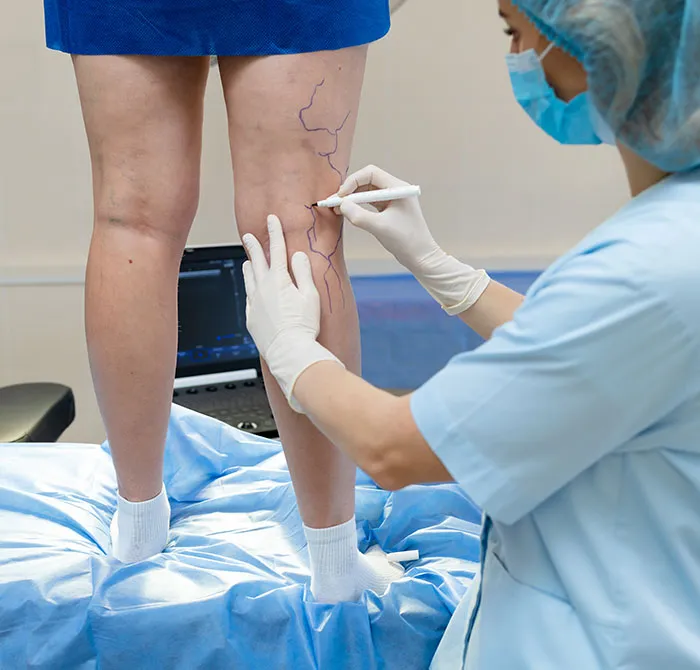
Varicose veins are enlarged, swollen veins that commonly appear on the legs and feet. They develop when the valves within the veins weaken, causing blood to pool rather than flow efficiently back to the heart.
Patients may notice:
- Visible bulging or twisted veins
- Leg heaviness or aching, especially after long periods of standing
- Swelling in the lower legs
- Burning or throbbing sensations
- Skin discolouration or itching around the veins
Early treatment helps relieve discomfort and prevents complications such as skin ulcers or bleeding veins.
Peripheral Artery Disease (PAD)
Peripheral artery disease occurs when the arteries that supply blood to the arms or legs become narrowed due to fatty deposits. This reduces blood flow and can lead to tissue damage if untreated.
Common symptoms include:
- Leg pain or cramping while walking (claudication)
- Coldness in the lower leg or foot
- Numbness or weakness
- Slow-healing wounds on the feet or toes
- Changes in skin colour
PAD is closely associated with diabetes, smoking, and high cholesterol, and early management helps reduce the risk of serious complications.
Blocked or Narrowed Arteries
When arteries become narrowed or blocked, the body cannot deliver enough oxygen-rich blood to tissues. This condition can affect different parts of the body and may cause pain, fatigue, or reduced mobility.
Patients may experience:
- Reduced blood flow to limbs
- Muscle pain during physical activity
- Weak pulses in the legs or feet
- Delayed wound healing
Prompt vascular evaluation helps restore circulation and prevent permanent tissue damage.
Deep Vein Thrombosis (DVT)
Deep vein thrombosis is a serious condition where a blood clot forms in a deep vein, most commonly in the leg. If untreated, the clot may travel to the lungs and cause a life-threatening complication known as pulmonary embolism.
Warning signs include:
- Sudden leg swelling
- Pain or tenderness in the calf
- Warmth or redness in the affected area
- Unexplained leg discomfort
Immediate medical attention is important if DVT is suspected.
Chronic Venous Insufficiency
Poor circulation in the veins can lead to chronic venous insufficiency, a condition where blood struggles to return to the heart efficiently.
Symptoms may include:
- Persistent leg swelling
- Heaviness or fatigue in the legs
- Skin changes around the ankles
- Leg cramps or itching
- Venous ulcers or slow-healing wounds
Treatment focuses on improving circulation and preventing long-term skin complications.
Diabetic Foot and Vascular Complications
People with diabetes are at higher risk of reduced blood supply to the feet, which can lead to infections, ulcers, and tissue damage.
Signs of vascular problems in diabetic patients include:
- Foot wounds that heal slowly
- Loss of sensation
- Cold feet or reduced pulses
- Changes in skin colour
Early vascular care plays an important role in preventing diabetic foot complications and limb-threatening infections.
Aneurysms
An aneurysm occurs when a section of a blood vessel wall becomes weak and begins to bulge. If the aneurysm grows or ruptures, it can lead to severe internal bleeding.
Common types include:
- Abdominal aortic aneurysm
- Peripheral artery aneurysm
Many aneurysms do not cause symptoms initially, which is why screening and imaging tests are important for early detection.
Vascular Surgery Services We Offer
Our vascular surgery department provides comprehensive care for diagnosing, managing, and treating vascular diseases. The goal of treatment is to restore healthy blood circulation, relieve symptoms, and prevent serious complications such as stroke, limb damage, or organ injury.
Vascular Consultation and Circulation Assessment
A consultation with a vascular surgeon or vascular specialist is recommended if you experience symptoms such as:
- Leg pain while walking
- Persistent swelling in the legs or ankles
- Visible varicose veins
- Numbness or weakness in the limbs
- Cold feet or toes
- Non-healing wounds on the legs or feet
During the consultation, the specialist will:
- Review your medical history
- Assess risk factors such as diabetes, smoking, and hypertension
- Perform a physical examination of the blood vessels
- Recommend further vascular tests if needed
Early assessment helps identify vascular conditions before they progress.
Diagnostic Tests for Vascular Conditions
Accurate diagnosis is essential for effective treatment. Our vascular department uses advanced imaging and circulation tests to evaluate blood flow and identify abnormalities in the arteries and veins.
Doppler Ultrasound: A Doppler ultrasound scan is a non-invasive test used to measure blood flow through arteries and veins. It helps detect:
- Blood clots
- Narrowed arteries
- Varicose veins
- Poor circulation
CT Angiography: This provides detailed images of blood vessels and helps identify blockages, aneurysms, or structural abnormalities.
Vascular Function Tests: Additional circulation tests may be used to evaluate how effectively blood flows through the limbs and identify early signs of vascular disease.
These diagnostic tools help specialists design the most suitable treatment plan for each patient.
Varicose Vein Treatment
Varicose veins are one of the most common vascular conditions affecting adults. Treatment focuses on reducing discomfort, improving circulation, and preventing complications.
Depending on the severity, treatment options may include:
- Lifestyle and compression therapy
- Minimally invasive vein procedures
- Advanced surgical treatment for severe cases
These treatments help improve both vascular health and leg appearance.
Surgical and Minimally Invasive Vascular Procedures
When vascular disease affects blood circulation significantly, medical procedures may be recommended to restore proper blood flow.
Our vascular specialists provide both minimally invasive treatments and surgical interventions, depending on the patient’s condition.
Treatment options may include:
- Medication to manage circulation problems
- Catheter-based minimally invasive procedures
- Vascular surgery for severe arterial blockages or aneurysms
Every treatment plan is individualised based on the patient’s symptoms, overall health, and diagnostic findings.

Why Choose Accord Hospital for Vascular Surgery
Choosing the right hospital for vascular treatment is important for improving circulation and preventing long-term complications.
Our hospital provides dependable vascular care supported by experienced specialists and modern medical facilities.
- Experienced Vascular Specialists: Our doctors have extensive experience in diagnosing and treating conditions affecting both arteries and veins.
- Advanced Diagnostic Technology: Modern vascular imaging and testing equipment allow doctors to identify circulation problems with greater accuracy.
- Personalised Treatment Plans: Each patient receives a treatment plan designed according to their medical condition, lifestyle, and long-term health goals.
- Patient-Centred Medical Care: Our healthcare team focuses on clear communication, compassionate care, and continuous support throughout the treatment process.
Supporting Better Blood Circulation and Long-Term Health
Healthy blood vessels are essential for maintaining overall health and proper functioning of the body. Early diagnosis and proper treatment can help prevent serious complications related to vascular diseases.
If you experience symptoms such as persistent leg pain, swelling in the legs, visible veins, numbness, or wounds that take longer to heal, it is important to consult a doctor promptly.
Our vascular surgery specialists are dedicated to helping patients improve blood circulation, reduce discomfort, and maintain better long-term health.
Contact Us