
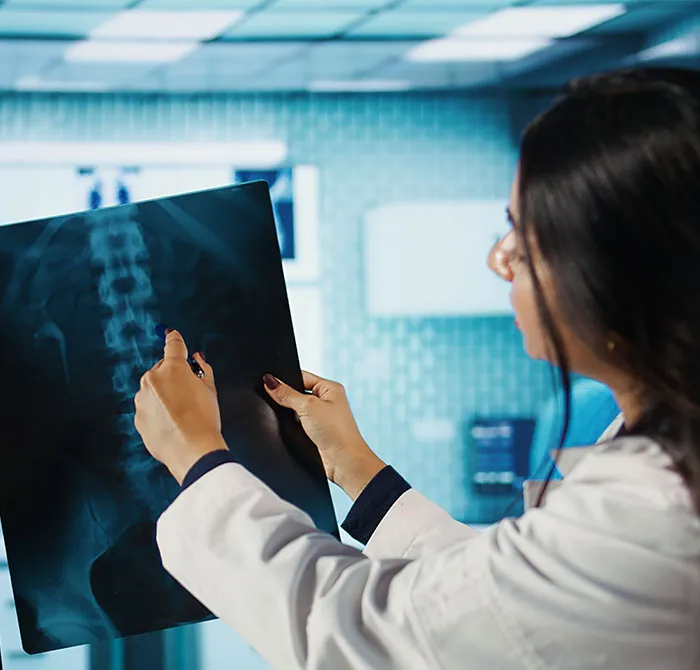
Modern Treatments Using Image-Guided Technology
At Accord Hospital, our interventional radiology department provides modern medical procedures that use imaging technology to diagnose and treat various health conditions without the need for major surgery.
Interventional radiology uses advanced imaging tools such as X-rays, ultrasound, CT scans, and other imaging techniques to guide doctors during treatment. These procedures are usually performed through very small openings in the skin, which helps reduce pain, scarring, and recovery time.
Our hospital brings together experienced radiologists, doctors, nurses, and healthcare professionals who work closely together to provide safe and precise treatment. Because these procedures are minimally invasive, many patients experience shorter hospital stays, quicker recovery, and less discomfort compared to traditional surgery.
Our goal is to provide reliable and advanced interventional radiology care for patients across Moshi, Pimpri Chinchwad, Pune, and nearby regions of Maharashtra.
Interventional Radiology Conditions and Treatments
Interventional radiology is a specialised medical field that uses advanced imaging techniques to diagnose and treat a wide range of health conditions without the need for major surgery. These procedures are performed using real-time imaging guidance such as ultrasound, CT scans, and X-ray imaging, allowing doctors to treat the affected area with high precision while minimising damage to surrounding tissues.
At our interventional radiology unit, patients receive targeted treatments designed to reduce recovery time, lower the risk of complications, and provide effective relief from a variety of medical conditions.
Conditions Treated with Interventional Radiology
Interventional radiology plays an important role in diagnosing and treating several vascular and non-vascular conditions. Many patients are referred for these procedures when minimally invasive treatment options are preferred over traditional surgery.
Some of the most common conditions treated include:
Blocked or Narrowed Blood Vessels
Blocked arteries or veins can reduce blood flow to important organs and tissues. Interventional radiology procedures such as angioplasty and stent placement help restore normal blood circulation and prevent complications such as stroke, limb damage, or organ dysfunction.
Tumours and Abnormal Growths
Image-guided techniques can be used to diagnose and treat certain types of tumours and abnormal tissue growth. Procedures such as tumour ablation or embolisation allow specialists to target the tumour directly while preserving surrounding healthy tissue.
Liver Disorders
Interventional radiology can assist in the diagnosis and management of several liver conditions, including liver tumours, cirrhosis complications, and portal hypertension. Image-guided procedures can also help deliver targeted treatment to affected areas of the liver.
Kidney Conditions
Kidney-related problems such as blocked urinary drainage, kidney tumours, or cysts may be treated using minimally invasive techniques. These procedures help restore proper kidney function and reduce the need for major surgery.
Vascular Malformations
Abnormal blood vessel formations, including arteriovenous malformations and aneurysms, can be diagnosed and treated using specialised interventional radiology techniques designed to stabilise blood flow and prevent rupture.
Fluid Accumulation in the Body
Fluid may collect in the chest, abdomen, or other areas due to infection, cancer, or inflammatory diseases. Interventional radiology procedures can safely drain excess fluid, relieving symptoms and improving patient comfort.
Internal Bleeding
Image-guided embolisation procedures can help stop internal bleeding by blocking the affected blood vessel. This approach is often used in emergency situations and can prevent the need for open surgery.
Chronic Pain Related to Certain Conditions
Some interventional radiology procedures are designed to treat pain caused by conditions such as spinal fractures, nerve compression, or cancer-related complications. These treatments help improve mobility and quality of life.
Our specialists conduct a thorough evaluation of each patient’s condition to determine whether interventional radiology is the most appropriate treatment option.
Interventional Radiology Services Available
Our interventional radiology department provides a range of specialised diagnostic and therapeutic procedures using advanced imaging technology. These services help physicians diagnose medical conditions accurately and perform treatments with greater safety and precision.
Image-Guided Diagnostic Procedures
Image-guided diagnostics allow specialists to examine internal organs, tissues, and blood vessels in detail. These procedures help identify the exact cause of symptoms and guide further treatment planning.
Common diagnostic imaging methods include:
- Ultrasound-guided procedures used for biopsies, fluid drainage, and soft tissue evaluation.
- CT scan-guided imaging to accurately target deep organs and internal abnormalities.
- X-ray-guided examinations to visualise blood vessels and guide vascular procedures.
These advanced imaging methods improve diagnostic accuracy while minimising patient discomfort.
Minimally Invasive Interventional Procedures
Many interventional radiology treatments are performed through very small incisions or needle-sized openings. Using specialised catheters and imaging guidance, doctors can treat complex conditions with minimal disruption to the body.
Key advantages of minimally invasive procedures include:
- Smaller incisions and minimal tissue damage
- Lower risk of infection and complications
- Reduced hospital stay
- Faster recovery compared to traditional surgery
- Less post-procedure pain
These benefits make interventional radiology a preferred option for many patients who require effective treatment with minimal downtime.
Vascular Interventional Procedures
Vascular interventional radiology focuses on diagnosing and treating conditions that affect the arteries and veins.
These procedures may include:
- Angiography to assess blood flow and detect blockages.
- Angioplasty and stent placement to open narrowed or blocked arteries.
- Embolisation procedures to control bleeding or reduce abnormal blood flow.
- Treatment of aneurysms and vascular malformations.
These treatments help restore healthy blood circulation and prevent serious complications.
Tumour and Lesion Treatment
Interventional radiology techniques can be used to treat certain benign and cancerous tumours using highly targeted approaches.
Common procedures include:
- Tumour ablation, which destroys abnormal tissue using heat or other energy sources.
- Embolisation therapy, which blocks the blood supply to tumours to slow their growth.
- Image-guided biopsies, allowing accurate diagnosis of suspicious lesions.
These treatments allow doctors to precisely target the affected area while protecting surrounding healthy tissues.
Image-Guided Drainage Procedures
Infections, inflammation, or certain diseases can cause fluid to accumulate inside the body. Image-guided drainage procedures allow doctors to safely remove this fluid using small catheters placed under imaging guidance.
These procedures can help treat:
- Abscesses and infections.
- Fluid in the chest (pleural effusion).
- Fluid in the abdomen (ascites).
- Post-surgical fluid collections.
Drainage procedures often provide immediate symptom relief and help support faster recovery.
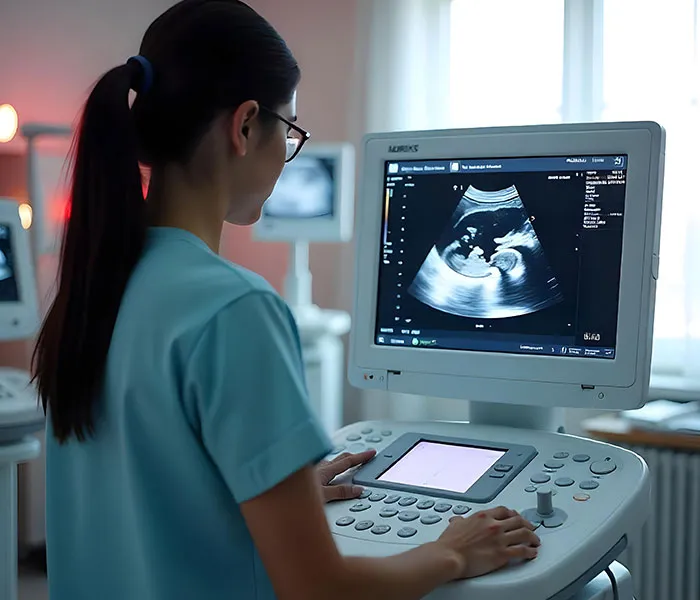
Why Choose Accord Hospital for Interventional Radiology
Choosing the right hospital for interventional radiology treatment is important for safe procedures and accurate diagnosis.
Our hospital provides dependable care supported by skilled specialists and advanced imaging facilities.
- Experienced Interventional Radiologists: Our doctors have experience performing image-guided procedures with precision and care.
- Advanced Imaging Technology: Modern imaging equipment allows doctors to guide procedures accurately and safely.
- Minimally Invasive Treatment Options: Many procedures are performed using small incisions, which may lead to less discomfort and quicker recovery.
- Personalised Patient Care: Each patient receives a treatment plan designed according to their medical condition and overall health needs.
Safer Treatments with Faster Recovery
Interventional radiology has transformed many medical treatments by offering less invasive alternatives to traditional surgery.
With the help of advanced imaging technology, doctors can diagnose conditions more accurately and perform treatments with greater precision.
If you require diagnostic imaging or minimally invasive treatment for a medical condition, our specialists can guide you through the most suitable options.
Our team is committed to providing safe, effective, and patient-focused care that supports faster recovery and improved health.
Contact Us