
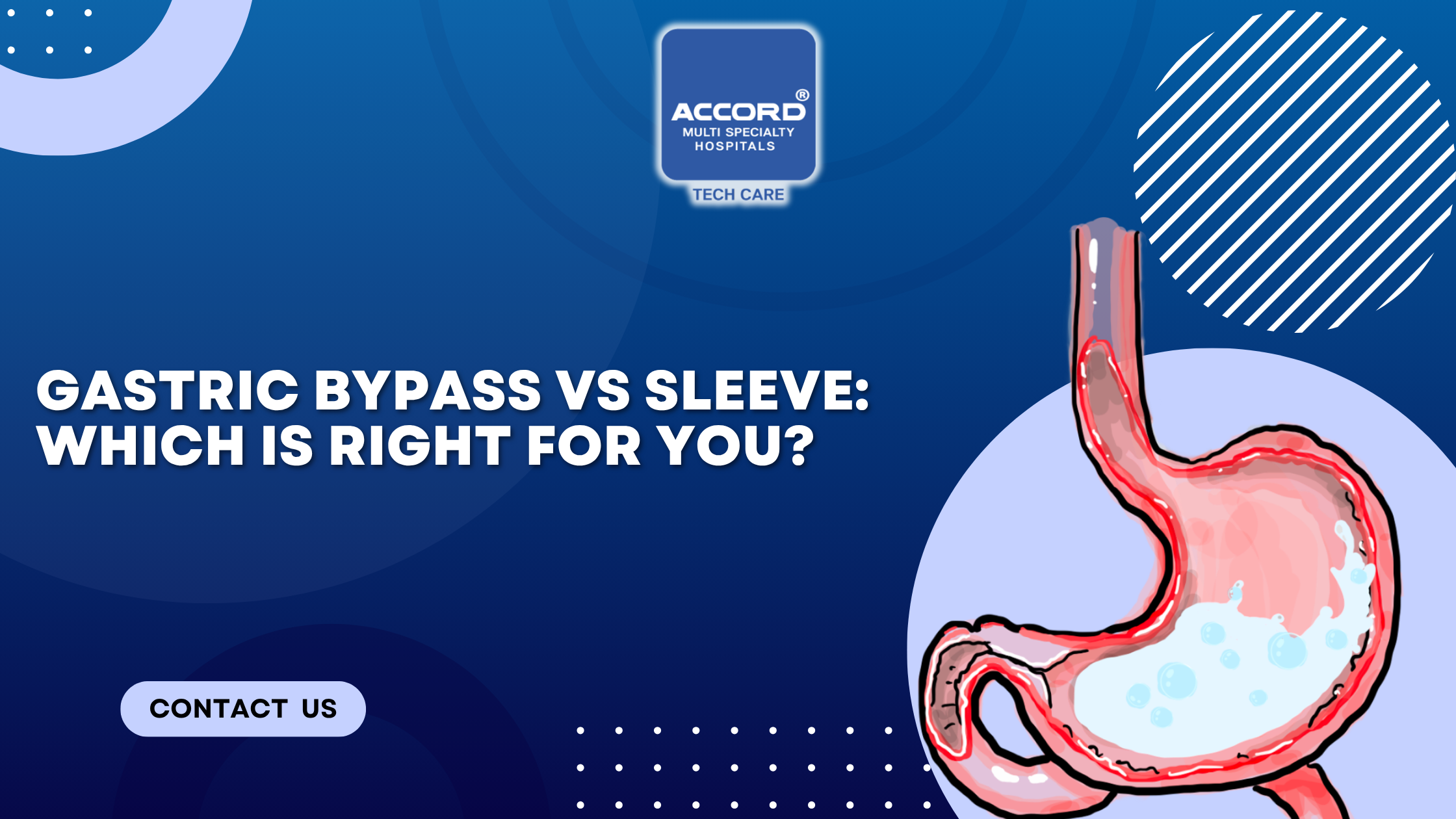
If you have been told that weight loss surgery could help, the next question usually arrives quickly: which operation? Gastric sleeve and gastric bypass are the two most common choices, and both can lead to meaningful, lasting weight loss. Yet they work differently, carry different trade offs and suit different health needs.
There is no single best operation for everyone. The right choice depends on your weight, existing conditions such as diabetes or acid reflux, your eating habits and how comfortable you are with lifelong follow up. Understanding the basics can make that conversation with your surgeon far easier.
How a Gastric Sleeve Works
A sleeve gastrectomy reduces the stomach to a narrow tube, roughly the shape of a banana. About three quarters of the stomach is removed, and the food continues along its usual path through the intestines.
Because the stomach is much smaller, you feel full after small portions. The operation also lowers levels of ghrelin, a hormone that drives hunger, so many people notice their appetite settles. The sleeve is technically simpler, usually takes less operating time and avoids rerouting the bowel.
How a Gastric Bypass Works
A gastric bypass, often called Roux en Y gastric bypass, works in two ways. The surgeon creates a small pouch at the top of the stomach and connects it directly to a lower part of the small intestine. Food skips most of the stomach and the first section of the bowel.
This limits how much you can eat and slightly reduces how many calories are absorbed. It also changes gut hormones in ways that can strongly improve blood sugar control. The rest of the stomach stays in place but no longer receives food.
The Difference Between Gastric Bypass and Gastric Sleeve
When comparing gastric sleeve vs gastric bypass, a few differences tend to guide the decision.
Weight loss
Both operations work well. A 2025 Swiss trial in JAMA Surgery followed patients for ten years and found total weight loss of about 28% after bypass and 26% after sleeve, a difference that was not statistically significant.
Acid reflux
This is often the deciding factor. The same trial found new reflux was more common after a sleeve, and more sleeve patients later needed a second operation for reflux or insufficient weight loss. For people who already have troublesome heartburn, surgeons often lean towards a bypass.
Type 2 diabetes
A bypass may offer a stronger effect on blood sugar, which is why it is frequently considered for people with long standing diabetes.
Vitamins and nutrition
Both procedures need lifelong vitamin supplements, but the risk of deficiencies in iron, vitamin B12 and calcium is higher after a bypass because part of the bowel is skipped.
Complexity
A sleeve is simpler and cannot be reversed. A bypass involves more steps and carries a small risk of internal hernia or ulcers at the join.
Who Might Suit Each Procedure
A gastric sleeve may suit people without significant reflux who prefer a simpler operation and fewer nutritional demands. It is also sometimes used as a first stage for people with a very high body mass index (BMI).
A gastric bypass may suit people with severe reflux, type 2 diabetes or a hiatus hernia, and those prepared to take supplements and attend regular blood tests for life.
Choosing between a gastric sleeve or gastric bypass is a shared decision. It usually follows assessments by a surgeon, dietitian, physician and sometimes a psychologist. You can read more about who is eligible in our blog on signs you may need bariatric surgery.
What Recovery and Life After Surgery Look Like
Most people go home within two to three days and return to desk work in about two weeks. Eating progresses slowly from liquids to soft foods and then to small, regular meals over six to eight weeks.
Surgery is a tool rather than a cure. Long term success depends on protein focused meals, regular activity, supplements and follow up visits. Some weight regain is possible after either procedure, particularly if old eating patterns return.
Making an Informed Choice Between Sleeve and Bypass
Both procedures can bring lasting weight loss and better control of conditions such as diabetes and high blood pressure. A sleeve is simpler with fewer nutritional demands, while a bypass may suit people with reflux or diabetes better. Neither is a quick fix, and both need lifelong changes in diet and follow up.
Questions about reflux, vitamins or recovery after a bypass, gastric sleeve or revision surgery are best discussed openly before any decision is made. The most suitable operation depends on individual health factors that a bariatric team assesses together with the patient. The bariatric and metabolic surgery department at Accord Hospital, Moshi provides evaluation, both procedures and ongoing nutritional support. Click here to learn more.
Frequently Asked Questions
How much weight can you lose with gastric bypass?
Many people lose around 25% to 30% of their total body weight, with most of the loss in the first 12 to 18 months. Results vary with starting weight, diet and activity.
Can a sleeve be converted to a bypass later?
Yes. Although a sleeve cannot be reversed, it can be converted to a bypass if reflux becomes troublesome or weight loss is not enough. This is a second operation with its own risks, so it is usually considered only after careful assessment.
Which option has fewer complications?
Both are considered safe when done laparoscopically (through small keyhole cuts). A sleeve has fewer long term nutritional issues, while a bypass has a lower reflux risk. Your health history shapes which risks matter most.