
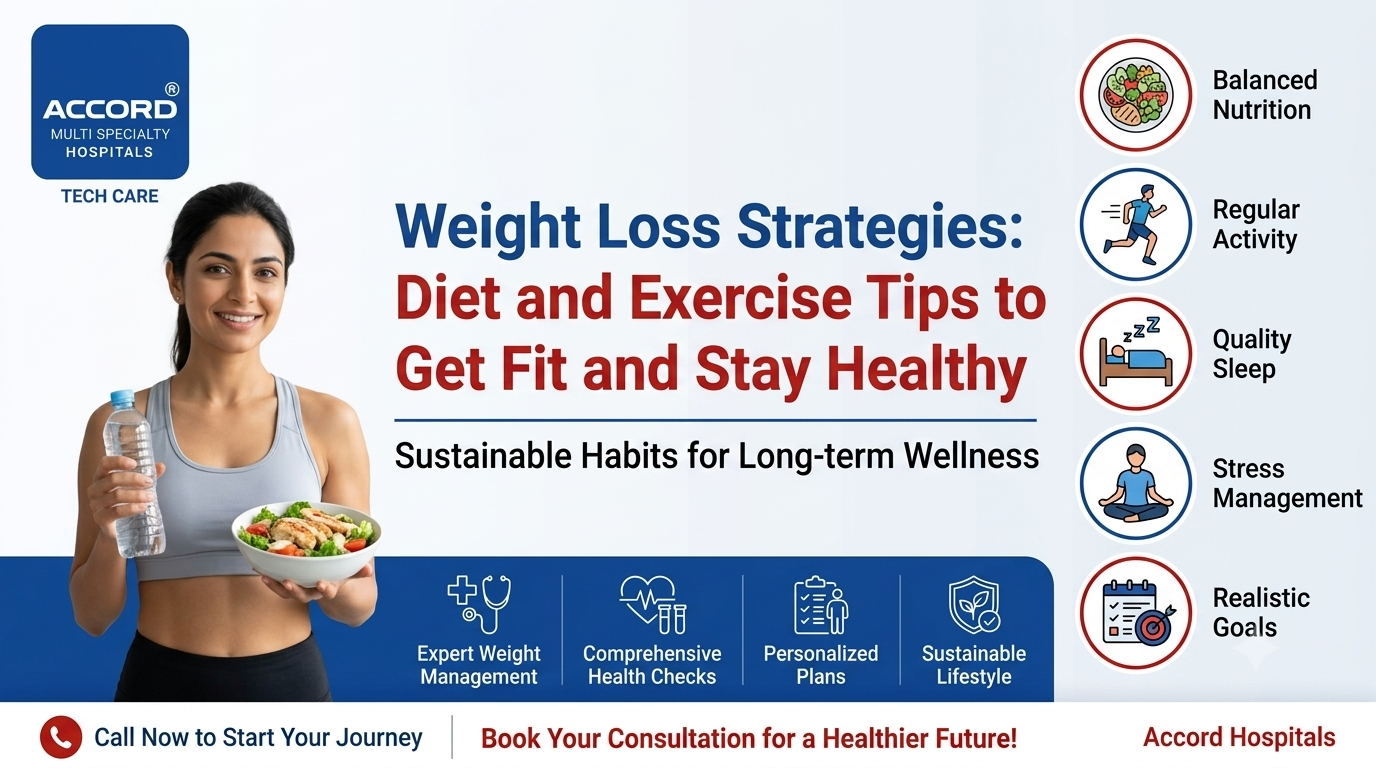
Healthy weight loss is not about crash diets, skipping meals, or extreme workouts. These methods may give short-term results but are difficult to maintain and can affect overall health. Sustainable weight loss comes from balanced eating, regular activity, quality sleep, stress management, and consistency.
If you are looking for practical weight loss strategies, the right approach is to build healthy habits that you can follow for the long term. This guide explains effective diet and exercise for weight loss, along with practical healthy lifestyle tips to help you get fit and stay healthy.
Why Healthy Weight Loss Matters
Excess weight can increase the risk of diabetes, high blood pressure, heart disease, joint pain, fatty liver disease, sleep apnoea, and hormonal disorders. It may also reduce energy levels, affect mobility, and make routine activities more difficult.
The good news is that even gradual weight loss can improve overall health. Losing a modest amount of weight may help improve blood sugar levels, blood pressure, sleep quality, joint function, and overall fitness.
The goal should not only be to lose weight but also to improve long-term health and quality of life.
What Makes Weight Loss Sustainable?
Healthy weight loss requires realistic lifestyle changes rather than quick fixes. Extreme dieting, prolonged fasting without medical advice, over-exercising, or depending only on supplements usually do not provide lasting results.
A sustainable plan includes balanced nutrition, regular physical activity, good sleep, stress management, and consistency. Small improvements that become part of your daily routine are more effective than drastic changes that are difficult to maintain.
Effective Weight Loss Strategies
1. Set Realistic Goals
Many people expect rapid results and become discouraged when they do not happen. Instead, begin with achievable goals and focus on gradual improvement.
Track progress through more than just body weight. Improvements in waist circumference, stamina, energy levels, fitness, and overall well-being are also important indicators of success.
Simple weekly goals such as walking every day, reducing sugary drinks, or improving sleep habits can lead to significant long-term results.
2. Follow a Balanced Diet
A balanced diet forms the foundation of healthy weight loss. Your meals should include:
- Lean protein
- Fruits and vegetables
- Whole grains
- Healthy fats
- Fibre-rich foods
- Adequate water
Protein helps preserve muscle mass and keeps you feeling full for longer, while fibre supports digestion and reduces unnecessary snacking.
Try to reduce foods high in sugar, refined carbohydrates, fried foods, processed snacks, bakery products, and sugary beverages. Rather than eliminating favourite foods completely, focus on moderation and portion control.
Crash diets should be avoided unless recommended by a healthcare professional.
3. Control Portion Sizes
Eating healthy foods is important, but eating excessive quantities can still affect weight loss.
Simple habits that help include:
- Using smaller plates
- Eating slowly
- Avoiding distractions while eating
- Recognising hunger and fullness cues
- Avoiding unnecessary second servings
Mindful eating often helps prevent overeating and improves satisfaction after meals.
4. Stay Physically Active
Regular exercise supports weight loss by improving calorie expenditure, heart health, muscle strength, stamina, and metabolism.
Activities may include:
- Walking
- Cycling
- Swimming
- Yoga
- Strength training
- Aerobic exercise
If you are new to exercise, begin gradually and increase intensity over time. Even 30 minutes of brisk walking on most days can provide significant health benefits.
If you have heart disease, severe joint pain, breathing problems, or another medical condition, consult your doctor before beginning an exercise programme.
5. Combine Diet and Exercise for Weight Loss
Diet and exercise for weight loss work best together.
Healthy eating helps create a calorie deficit, while exercise improves cardiovascular fitness, muscle strength, metabolism, and long-term weight maintenance.
Depending only on dieting may lead to muscle loss and fatigue. Similarly, exercising without improving eating habits may limit weight loss results.
A balanced approach provides the greatest long-term benefit.
6. Improve Sleep
Sleep plays an important role in weight management. Poor sleep may increase appetite, cravings, fatigue, and stress eating by affecting hunger-regulating hormones.
Aim for a consistent sleep schedule by:
- Sleeping and waking at the same time daily
- Limiting screen time before bed
- Avoiding heavy late-night meals
- Creating a comfortable sleeping environment
Better sleep supports healthier food choices and improved workout performance.
7. Manage Stress
Stress can influence eating behaviour and make weight management more difficult. Some people overeat during stressful situations, while others skip meals and later compensate by eating larger portions.
Healthy stress-management strategies include:
- Walking
- Meditation
- Deep breathing exercises
- Journaling
- Spending time with family
- Speaking with a counsellor if needed
Managing stress can improve both physical and mental well-being while supporting long-term weight management.
Diet and Exercise for Weight Loss: Practical Tips
Along with the strategies above, these simple habits can support your weight loss journey:
- Eat meals at regular intervals.
- Include protein in every meal.
- Drink enough water throughout the day.
- Replace sugary beverages with water or unsweetened drinks.
- Walk for a few minutes after meals whenever possible.
- Include strength training two to three times a week.
- Reduce prolonged sitting by taking regular movement breaks.
- Track your food intake and physical activity honestly.
These healthy lifestyle tips may appear simple, but they become highly effective when followed consistently.
Common Mistakes to Avoid
Many people unintentionally slow their progress by making common mistakes, such as:
- Skipping meals
- Following extreme or fad diets
- Depending only on supplements
- Exercising without improving dietary habits
- Expecting unrealistic results in a short time
Certain medical conditions can also affect weight management. Thyroid disease, diabetes, PMOS (Polyendocrine Metabolic Ovarian Syndrome, earlier known as PCOS), hormonal imbalance, certain medicines, sleep disorders, and chronic stress can all make weight loss more challenging. If you are struggling despite sincere efforts, a medical evaluation may help identify the underlying cause.
When Should You Seek Medical Advice?
Consult a doctor if:
- Weight gain is sudden or unexplained.
- You are unable to lose weight despite healthy lifestyle changes.
- You have diabetes, thyroid disease, PMOS, heart disease, fatty liver disease, or severe joint pain.
- You experience fatigue, breathlessness, or swelling.
- You need guidance before starting a structured weight loss programme due to an existing medical condition.
Final Thoughts
Successful weight loss is built on balanced nutrition, regular physical activity, quality sleep, stress management, and consistency. Sustainable lifestyle changes are far more effective than quick fixes and can improve both physical health and overall well-being.
If you are finding it difficult to manage your weight or have health conditions that may be affecting your progress, consult the specialists at Accord Hospitals, Pimpri-Chinchwad, Pune. A comprehensive health evaluation and personalised guidance can help you adopt safe, practical, and sustainable lifestyle changes for better long-term health.
FAQs
What are the most effective weight loss strategies?
The most effective weight loss strategies include following a balanced diet, controlling portion sizes, exercising regularly, sleeping well, managing stress, and maintaining consistency over time.
Why are diet and exercise for weight loss both important?
Diet helps manage calorie intake and provides proper nutrition, while exercise improves strength, metabolism, heart health, and fitness. Combining both leads to more sustainable weight loss.
How much exercise is needed for weight loss?
Exercise requirements vary depending on age, fitness level, and overall health. Most adults benefit from regular aerobic activity combined with strength training several times a week.
What healthy lifestyle tips help maintain weight loss?
Healthy lifestyle tips include eating balanced meals, staying physically active, drinking enough water, sleeping well, managing stress, and attending regular health check-ups.
When should I consult a doctor for weight management?
You should consult a doctor if weight gain is sudden, weight loss is difficult despite lifestyle changes, or if you have medical conditions such as diabetes, thyroid disease, PMOS), or heart disease.