
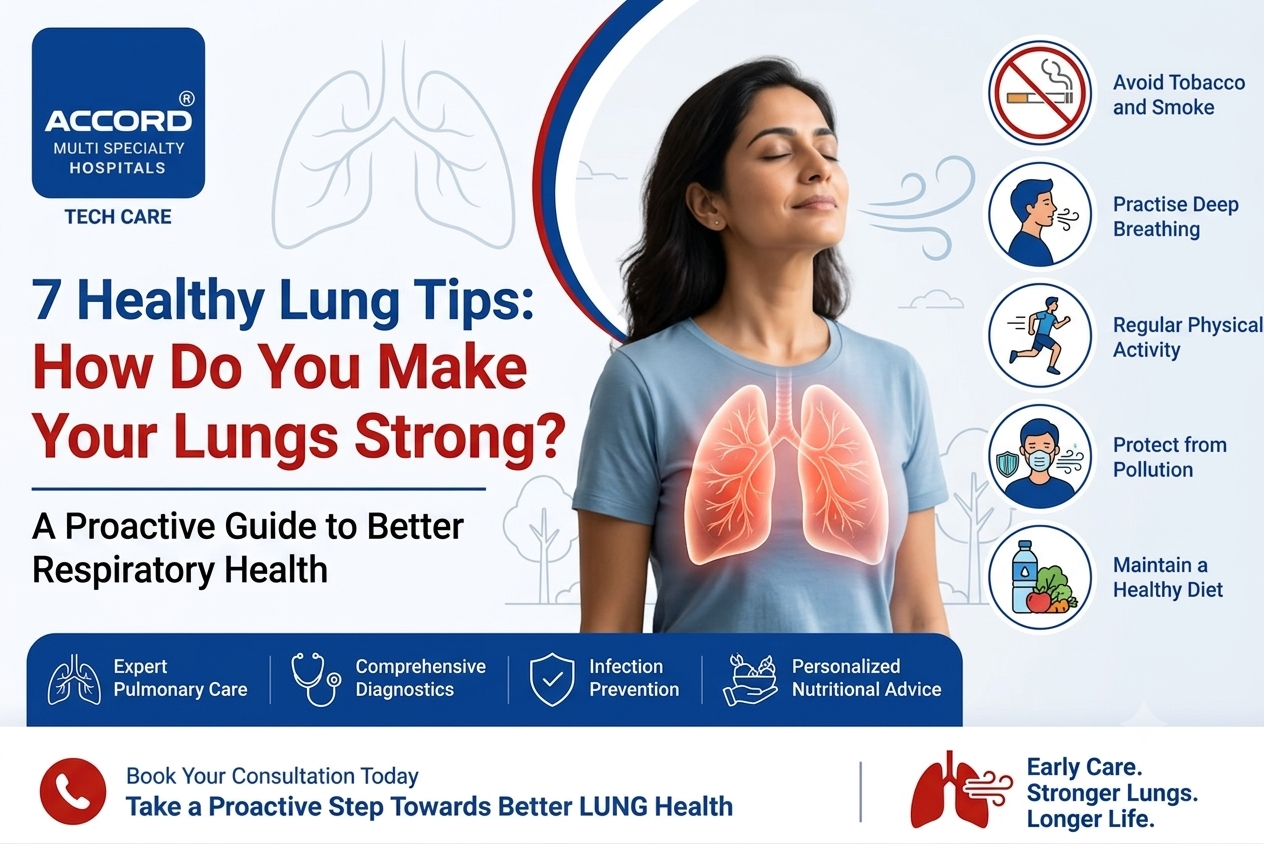
Strong lungs support better breathing, stamina, sleep, immunity, and overall energy. However, pollution, smoking, allergies, infections, poor fitness, and long hours of sitting can gradually affect respiratory health. Many people start paying attention to their lungs only after they experience breathlessness, cough, wheezing, or chest tightness.
If you are wondering how do you make your lungs strong, the answer lies in consistent daily habits. This blog covers simple healthy lung tips and practical ways to maintain a healthy respiratory system.
Why Lung Health Matters
Your lungs help bring oxygen into the body and remove carbon dioxide. Every organ depends on this oxygen supply to function properly. When lung health is affected, even simple activities such as walking, climbing stairs, exercising, or sleeping comfortably may become difficult.
Healthy lungs also help the body respond better to infections, physical activity, and environmental changes. This is why respiratory health should not be ignored, especially if you live in a polluted area, smoke, have asthma, or frequently develop cough and breathing problems.
How Do You Make Your Lungs Strong?
You can support lung strength through regular movement, clean air habits, breathing exercises, infection prevention, and timely medical care. No single habit can make the lungs strong overnight. Lung health improves when healthy lifestyle choices are followed consistently.
Here are seven healthy lung tips that can help support better respiratory function.
1. Avoid Smoking and Second-Hand Smoke
Smoking is one of the biggest risk factors for lung damage. It irritates the airways, damages lung tissue, increases mucus production, and raises the risk of chronic respiratory disease.
Second-hand smoke can also harm the lungs, especially in children, elderly people, and those with asthma or allergies. Avoiding tobacco smoke is one of the most important ways to maintain a healthy respiratory system.
If you smoke, quitting can benefit your lungs at any age. Medical support, counselling, and structured quit plans can make the process easier.
2. Practise Breathing Exercises
Breathing exercises may help improve lung expansion, breathing control, and relaxation. Simple practices such as deep breathing, diaphragmatic breathing, and slow breathing can support better use of lung capacity.
A simple breathing exercise involves sitting comfortably, inhaling slowly through the nose, allowing the abdomen to expand, and exhaling gently through the mouth. This can be practised for a few minutes daily.
People with asthma, COPD, heart disease, or other medical conditions should follow breathing exercises only as advised by a doctor or respiratory therapist.
3. Stay Physically Active
Regular physical activity helps the lungs and heart work more efficiently. Walking, cycling, swimming, yoga, and light aerobic exercises can improve stamina and breathing capacity over time.
When you exercise, your breathing rate increases, and your lungs work harder to supply oxygen. With consistency, the body becomes better at using oxygen during daily activities.
If you are inactive, start slowly. Even a short daily walk can be a good beginning. If you feel chest pain, severe breathlessness, dizziness, or wheezing during exercise, seek medical advice.
4. Protect Yourself From Air Pollution
Air pollution can irritate the lungs and worsen conditions such as asthma, bronchitis, allergies, and breathing difficulty. Dust, smoke, vehicle emissions, and industrial pollution can affect respiratory health over time.
To reduce exposure:
Avoid outdoor exercise during high-pollution hours. Keep windows closed when outdoor air quality is poor. Use a mask in dusty or polluted surroundings if needed. Keep indoor spaces clean, dust-free, and well ventilated.
Indoor air also matters. Avoid burning incense, mosquito coils, or tobacco indoors if they trigger cough or irritation.
5. Prevent Respiratory Infections
Respiratory infections can affect the lungs and airways, especially in children, elderly people, and those with existing health conditions. Frequent infections may also worsen breathing problems.
Simple preventive habits include washing hands regularly, avoiding close contact with people who are sick, covering the mouth while coughing or sneezing, and maintaining good hygiene.
Vaccination may also be recommended for some people, especially those with chronic illness, low immunity, or higher risk of complications. Follow your doctor’s advice regarding flu, pneumonia, or other relevant vaccines.
6. Stay Hydrated and Eat a Balanced Diet
Hydration helps keep the airways moist and supports mucus clearance. When the body is dehydrated, mucus may become thicker and harder to clear, especially during cough or infection.
A balanced diet also supports immunity and lung health. Include fruits, vegetables, whole grains, protein, nuts, seeds, and adequate fluids. Foods rich in antioxidants may help the body fight inflammation and support overall respiratory wellness.
Avoid excessive fried foods, sugary drinks, and highly processed snacks, especially if weight gain, acidity, or inflammation is affecting overall health.
7. Do Not Ignore Breathing Symptoms
Persistent cough, wheezing, chest tightness, repeated chest infections, or shortness of breath should not be ignored. These symptoms may be linked to asthma, allergy, infection, chronic bronchitis, heart disease, or other underlying health concerns.
Early diagnosis can help prevent complications and guide the right treatment. Do not depend only on cough syrups or home remedies if symptoms continue or keep returning.
Ways to Maintain a Healthy Respiratory System
Along with the healthy lung tips above, you can support your respiratory system by maintaining a healthy weight, controlling allergies, managing asthma properly, exercising regularly, avoiding tobacco, and getting regular check-ups if symptoms persist.
People with diabetes, heart disease, obesity, or low immunity should be more careful because respiratory infections and breathing problems may affect them more seriously.
When Should You See a Doctor?
You should consult a doctor if you experience shortness of breath during routine activities, persistent cough, wheezing, chest pain, tightness, recurrent respiratory infections, blood in cough, or breathing difficulty after exertion or at rest.
Sudden breathlessness, bluish lips, severe chest pain, confusion, or difficulty speaking due to breathlessness should be treated as urgent warning signs.
Final Thoughts
Strong lungs depend on regular exercise, smoke avoidance, clean air habits, infection prevention, hydration, balanced nutrition, and timely medical attention. Small daily changes can help protect your respiratory health and improve overall stamina.
If you have persistent cough, breathlessness, wheezing, chest tightness, or recurring respiratory symptoms, consult Accord Hospitals, Pimpri-Chinchwad, Pune, for evaluation and treatment guidance. Early care can help identify the cause and support better lung health.
FAQs
How do you make your lungs strong naturally?
You can support lung strength naturally by avoiding smoking, staying active, practising breathing exercises, protecting yourself from pollution, eating a balanced diet, staying hydrated, and seeking timely care for breathing symptoms.
What are the best healthy lung tips for daily life?
The best healthy lung tips include avoiding tobacco smoke, exercising regularly, keeping indoor air clean, preventing infections, drinking enough water, and not ignoring persistent cough or breathlessness.
Can exercise improve lung health?
Yes, regular exercise can improve stamina, breathing efficiency, and overall lung function. Walking, swimming, cycling, and light aerobic activities are useful when done consistently and safely.
What foods support respiratory health?
Fruits, vegetables, whole grains, protein-rich foods, nuts, seeds, and adequate water support immunity and overall respiratory health. A balanced diet is more important than relying on one specific food.
When should breathing problems be checked by a doctor?
Breathing problems should be checked if they are persistent, worsening, associated with chest pain or wheezing, or affecting daily activities. Sudden or severe breathlessness needs urgent medical care.