
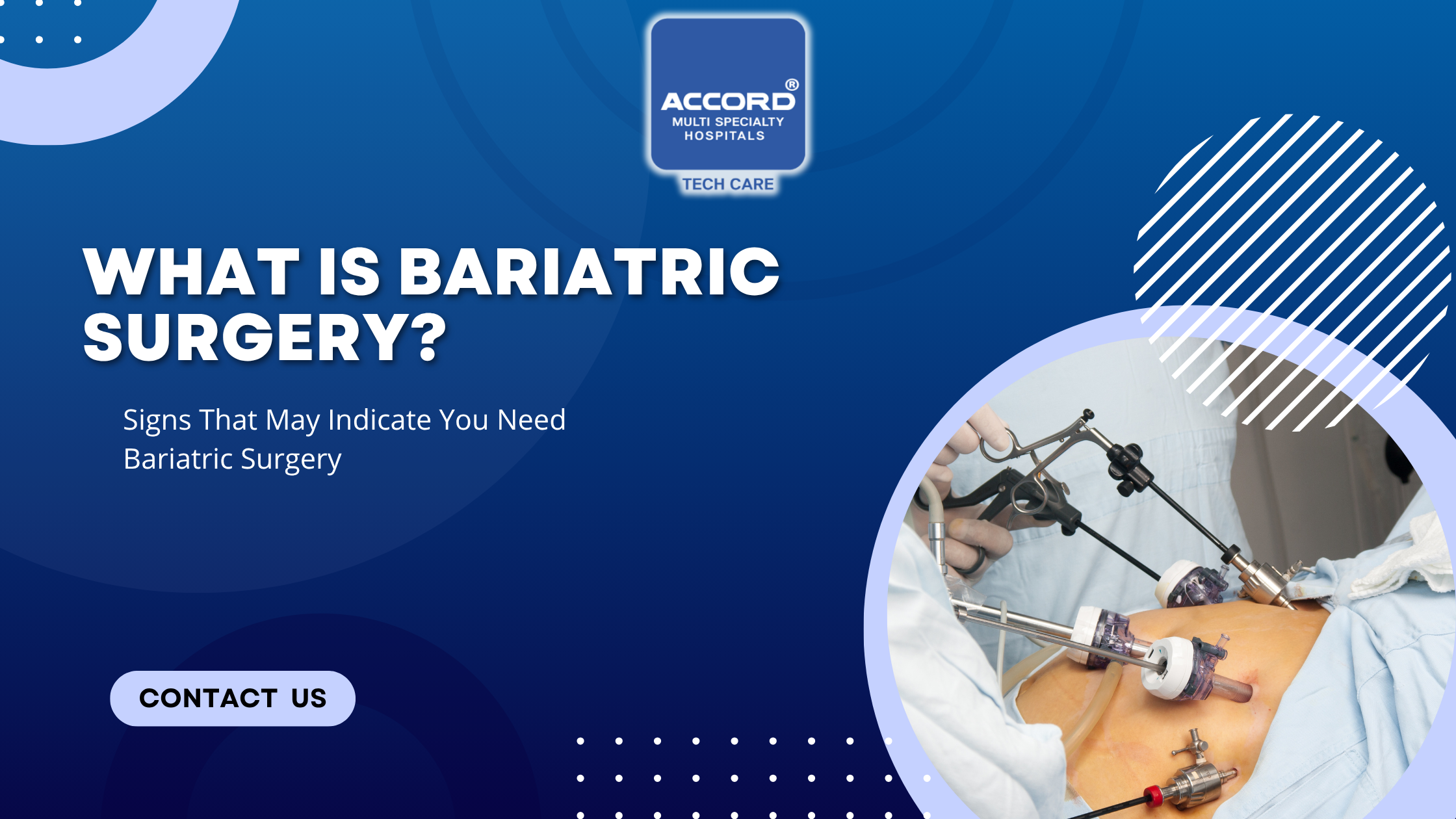
Carrying excess weight for years, despite genuine efforts to diet and exercise, can leave anyone wondering if they need to make more effort. For some people, that “something more” sometimes is bariatric surgery, a medical option considered only after other approaches have not delivered lasting results.
Understanding the signs that typically point toward candidacy can make this unfamiliar decision feel a lot more clear.
What Is Bariatric Surgery?
Bariatric surgery, also called weight loss surgery, refers to procedures such as gastric bypass and sleeve gastrectomy that alter the size of the stomach or how food moves through the digestive system. It is not a shortcut or a cosmetic procedure.
Unlike general weight loss efforts, bariatric surgery is a medical intervention, recommended when excess weight has started to affect a person’s health in ways that diet, exercise and medication have not been able to reverse.
Signs That May Indicate You Need Bariatric Surgery
While only a doctor can confirm candidacy, a few patterns commonly appear in people who go on to qualify for surgery:
- A Body Mass Index (BMI) of 35 or above, or 30 and above alongside a condition such as type 2 diabetes or high blood pressure, based on current clinical guidelines
- Obesity related health conditions, including diabetes, hypertension or sleep apnoea, that continue despite medication and lifestyle changes
- Repeated, genuine attempts at supervised diets, structured exercise or prescription weight management that have not led to lasting results
- Weight that is limiting everyday activities, such as walking, climbing stairs or sleeping comfortably
- A direct recommendation from a doctor to consult a bariatric surgeon after reviewing your weight and health history
Updated 2022 clinical guidelines from the American Society for Metabolic and Bariatric Surgery and the International Federation for the Surgery of Obesity found that surgery is generally recommended at a BMI of 35 or above, and should be considered at a BMI of 30 or above when a condition like type 2 diabetes is also present. These thresholds are usually the starting point for a proper evaluation, not the final word on candidacy.
Gastric Bypass vs Sleeve Gastrectomy: Understanding the Difference
Patients often ask who qualifies for gastric bypass specifically, since it is one of the more widely known weight loss procedures. Gastric bypass reroutes part of the digestive system, reducing both the stomach’s capacity and the amount of food the body absorbs. Sleeve gastrectomy, by comparison, permanently reduces the size of the stomach without rerouting the intestines.
The right procedure depends on a person’s BMI, existing health conditions and overall surgical risk, which is why the choice is made jointly with a bariatric surgeon rather than by the patient alone.
What to Expect During a Bariatric Surgery Evaluation
A proper evaluation goes well beyond a single BMI reading. It typically involves:
- A detailed review of your weight history and previous weight loss attempts
- Screening for related conditions such as diabetes, hypertension or sleep apnoea
- Blood tests and imaging to assess overall health and surgical readiness
- A discussion of dietary habits, mobility and how weight is affecting daily life
- Counselling on what to expect before, during and after surgery, including the lifestyle changes required for lasting results
Because outcomes depend on more than weight alone, this evaluation helps confirm whether surgery is medically appropriate and which procedure is the better fit.
Take the Next Step Toward Better Health
Recognising these signs is only the first step. A proper diagnosis requires a detailed evaluation of your BMI, medical history and overall health, carried out by a qualified specialist rather than self-assessment.
At Accord Hospital in Moshi, Pune, our bariatric and metabolic surgery programme helps patients understand whether they meet the eligibility criteria for weight loss surgery and what their options may look like. Contact us to discuss your specific weight loss surgery needs.
FAQs
Is bariatric surgery only for people who are severely overweight?
Not necessarily. While a higher BMI is one factor, people with a moderately elevated BMI alongside conditions like type 2 diabetes may also be considered, depending on individual assessment.
Will I need to try other weight loss methods before surgery is considered?
In most cases, yes. Doctors typically want to see documented, genuine attempts at diet, exercise or medical weight management before recommending surgery, since it helps confirm that surgical intervention is medically necessary.
Is the weight loss from bariatric surgery permanent?
Long-term success varies from person to person and depends on continued lifestyle changes after surgery. It is best understood as a tool that supports weight loss, rather than a one-time fix.
How long does recovery from bariatric surgery take?
This varies depending on the procedure, but most patients return to light activity within a couple of weeks, with full recovery and dietary adjustment typically taking a few months.