
Overview
A Treadmill Test (TMT) is a non-invasive diagnostic procedure used to evaluate the heart’s response to physical stress. It helps doctors assess how well your heart functions when it’s working harder than usual, which can reveal underlying heart conditions that may not be apparent at rest.
A Treadmill Test (TMT), also known as an exercise stress test, is a diagnostic procedure that evaluates how well your heart functions under physical stress. It helps doctors determine if there is a reduced blood supply to the heart during activity, which may not be apparent when you are at rest.
How to Prepare for a TMT
Proper preparation is essential for accurate results and a safe test. You will receive specific instructions from your doctor or the lab, but here are some general guidelines:
- Avoid Food and Drink: You will typically be asked not to eat, drink, or smoke for a few hours (usually 2-4) before the test. This prevents nausea and ensures a clear ECG reading.
- Avoid Caffeine and Nicotine: For vascular scans, such as those of the neck (carotid) or limbs, you may be advised to avoid caffeine and nicotine for at least a few hours before the exam. These substances can constrict blood vessels, leading to inaccurate measurements of blood flow.
- Wear Appropriate Attire: Wear comfortable, loose-fitting clothes and sturdy walking or running shoes (sneakers). This is crucial for your comfort and safety during the physical exertion part of the test.
- Discuss Medications: Inform your doctor about all medications you are taking, especially heart medications. Some drugs, particularly beta-blockers, can affect your heart rate and blood pressure responses. Your doctor will advise you on whether to stop or adjust certain medications before the test.
- Bring a List of Symptoms: If you have experienced any symptoms like chest pain, shortness of breath, or dizziness, be prepared to discuss them with the doctor or technician before the test.
How it’s Done
A TMT is performed in a clinical setting under the supervision of a doctor or a trained technician. The entire procedure, including preparation and recovery, usually takes about 30 to 45 minutes, with the exercise portion lasting 10-15 minutes.
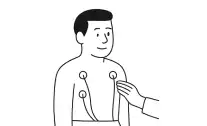 1
1
Preparation:
Electrodes are placed on your chest and connected to an ECG machine.
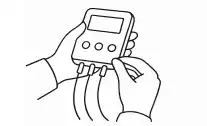 2
2
Baseline Measurements:
Heart rate, blood pressure, and ECG are recorded.
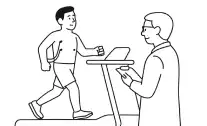 3
3
The Exercise:
You walk on a treadmill, starting slow. Speed and incline gradually increase to raise your heart rate to a target level.
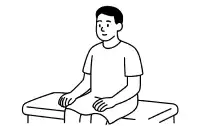 4
4
Recovery:
After exercise, you rest while heart rate, blood pressure, and ECG are monitored until your heart returns to normal.
How it will Feel
A TMT is a physical exertion test, so you will feel the effects of exercise.
- Physical Exertion – You will feel a gradual increase in your breathing rate and heart rate as the intensity of the treadmill increases. You will get tired and may feel short of breath, similar to exercising vigorously.
- Sensation of the Equipment – You will feel the electrodes on your chest and the pressure from the blood pressure cuff inflating at regular intervals.
- Safety – While the test pushes your heart, it is done in a controlled environment with constant medical supervision. You are in a safe setting where medical professionals can intervene immediately if any problems arise. The test is designed to be as safe as a vigorous walk or jog.