
Overview
An EMG (electromyography) test is a diagnostic procedure used to assess the health of your muscles and the nerves that control them. It measures the electrical activity of your muscles both at rest and during contraction. An EMG is often performed alongside a Nerve Conduction Velocity test (NCV), which measures the speed and strength of signals traveling along your nerves. During an NCV test, electrodes are placed on the skin to deliver mild electrical impulses and record the nerve’s response, which helps doctors identify conditions like carpal tunnel syndrome, diabetic neuropathy, and nerve injuries
How to Prepare for EMG
Proper preparation is crucial for getting accurate results. You will be given specific instructions, but here are some general guidelines:
- Avoid certain substances: Do not smoke or use any tobacco products for at least four hours before the test. It’s also recommended to avoid alcohol for at least eight hours and caffeine for a few hours prior.
- Discuss Medications: Tell your doctor about all the medications you are taking, especially any inhalers or other breathing medicines. You may be asked to stop taking them for a specific period (e.g., a few hours to 12 hours) before the test, as they can affect the results. Do not stop taking any medication without your doctor’s instruction.
- Don’t Eat a Heavy Meal: Avoid eating a heavy meal for at least two hours before the test. A full stomach can put pressure on your diaphragm and restrict lung expansion.
- Wear Loose Clothing: Wear comfortable, loose-fitting clothing that doesn’t restrict your breathing or chest movement.
- Avoid Exercise: Do not engage in strenuous exercise for at least 30 minutes before the test.
How it’s Done
An EMG is typically performed by a neurologist or a trained technician in an outpatient clinic or hospital setting. The entire procedure can take anywhere from 30 minutes to over an hour, depending on how many muscles and nerves are being tested.
 1
1
Setup:
You sit or lie on an exam table. The technician cleans the skin over the muscles to prepare for testing.
 2
2
Nerve Conduction Test:
Electrodes are placed on the skin, and mild electrical pulses stimulate the nerve to measure signal speed.
 3
3
Needle EMG:
A fine needle electrode is inserted into the muscle to record electrical activity at rest and during contraction.
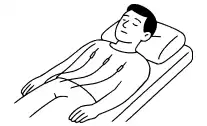 4
4
At Rest and During Contraction:
The doctor checks muscle activity at rest and during movement, using different muscles if needed.
How it will Feel
The sensations from an EMG can be uncomfortable, but the test is generally well-tolerated.
- Nerve Conduction Velocity test – During the NCV, you will feel a series of brief, mild electrical shocks. This may feel like a tingling or a muscle twitching, but it is not typically painful. Most people get used to the sensation after the first few shocks.
- Needle EMG – When the needle is inserted into the muscle, you may feel a sharp prick or a slight ache, similar to an acupuncture needle. The most notable sensation is often described as a cramp-like feeling when you are asked to contract the muscle with the needle inside it.
- Afterward – It is common to have some mild soreness or tenderness in the muscles that were tested for a day or two after the exam. In rare cases, minor bruising may occur where the needles were inserted.