
Overview
A computerized tomography (CT) scan combines a series of X-Ray images taken from different angles around your body and uses computer processing to create cross-sectional images (slices) of the bones, blood vessels and soft tissues inside your body. CT scan images provide more-detailed information than plain X-Rays do.
Your doctor may recommend a CT scan to help:
We at ACCORD Hospitals have our very own 32 slice CT scan machine that can help get detailed diagnosis of damage to bones, injuries to internal organs, problems with blood flow, stroke, and cancer. We have a team of highly skilled radiologists, technicians and renowned cardiologists that will help perform your test seamlessly and evaluate your test results.
- Diagnose muscle and bone disorders, such as bone tumors and fractures
- Pinpoint the location of a tumor, infection or blood clot. Guide procedures such as surgery, biopsy and radiation therapy.
- Detect and monitor diseases and conditions such as cancer, heart disease, lung nodules and liver masses.
- Monitor the effectiveness of certain treatments, such as cancer treatment
- Detect internal injuries and internal bleeding.
How to Prepare For it
- Fasting: Depending on the area being scanned, you may be instructed not to eat or drink anything for a few hours before the exam. This is especially common for abdominal or pelvic scans and those that use a contrast dye.
- Medication and Health History: Inform your doctor and the technologist about any medications you are taking, particularly those for diabetes, kidney disease, or thyroid conditions. It’s crucial to disclose any allergies, especially to iodine or shellfish, as these can be a contraindication for contrast dye.
- Pregnancy: If you are pregnant or think you might be, inform your doctor immediately. They may recommend an alternative imaging method like an ultrasound or MRI to avoid radiation exposure to the fetus.
- Attire: Wear comfortable, loose-fitting clothing. You may be asked to change into a hospital gown. It is essential to remove all metal objects, including jewelry, eyeglasses, dentures, and belts, as they can interfere with the X-Ray beams and create blurry images.
How it’s Done
The CT scan procedure is a quick and straightforward process managed by a trained technologist.
 1
1
Preparation:
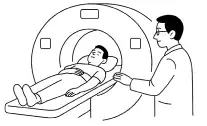
You’ll complete paperwork, change into a gown, and get ready for the scan.
 2
2
Positioning:
You’ll be asked to lie down on an exam table, that moves into the CT scanner.
 3
3
The Scan:
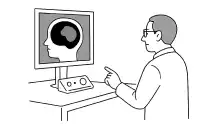
The technologist monitors you as the scanner captures cross-sectional images.
 4
4
Completion:
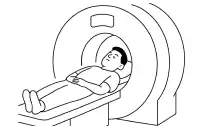
You may be asked to hold your breath & scan is quick, usually just a few minutes.
How it will Feel
The CT scan is a painless and non-invasive procedure.
- During the scan – You won’t feel the X-Rays themselves. The machine may make some low humming or clicking sounds as it operates, but these are normal. The table may move slightly during the process, and you might feel a gentle whirring sensation.
- With Contrast Dye – If you receive contrast dye, you may experience a temporary sensation that is very common and harmless.
- A warm, flushing sensation – Many people feel a wave of warmth, particularly in their chest, groin, or all over their body.
- A metallic taste – You may notice a strange, metallic taste in your mouth.
- Sensation of Urination – Some patients describe a feeling as if they have ‘peed their pants,’ but this is just a sensation caused by the dye.
These feelings are brief and will quickly subside. The most important part of the scan is to remain as still as possible to get the clearest images for an accurate diagnosis.
Why Test is Performed
A doctor may order a CT scan for numerous clinical indications, including:
- Diagnosing Disease – CT scans are highly effective at detecting conditions that might not be visible on a regular X-Ray. This includes identifying tumors, diagnosing infections, and pinpointing the location of blood clots. They are also used to diagnose conditions like cancer, heart disease, and various internal organ issues.
- Assessing Trauma and Injury – In emergency situations, a CT scan can provide life-saving information. It’s the go-to tool for quickly and accurately detecting internal bleeding, organ damage, and complex bone fractures after an accident or trauma.
- Guiding Medical Procedures – CT imaging is used to guide doctors during certain procedures. For example, it helps to accurately place a needle during a biopsy (to collect a tissue sample) or to drain an abscess. It is also used to plan surgical procedures and radiation therapy by providing a precise map of the area to be treated.
- Monitoring Treatment – Doctors use CT scans to monitor a patient’s progress during and after treatment. For instance, they can track changes in the size of a tumor to see if a treatment like chemotherapy is working.
- Screening for Specific Conditions – In some cases, a CT scan may be used as a preventative screening tool. A low-dose CT scan of the chest, for example, is often recommended for smokers to screen for early signs of lung cancer.